
Furniture and Features Built Exactly How You Need Them
Custom Woodworking Services in Manassas for homeowners who need pieces that fit specific dimensions, styles, or functions not available in stores
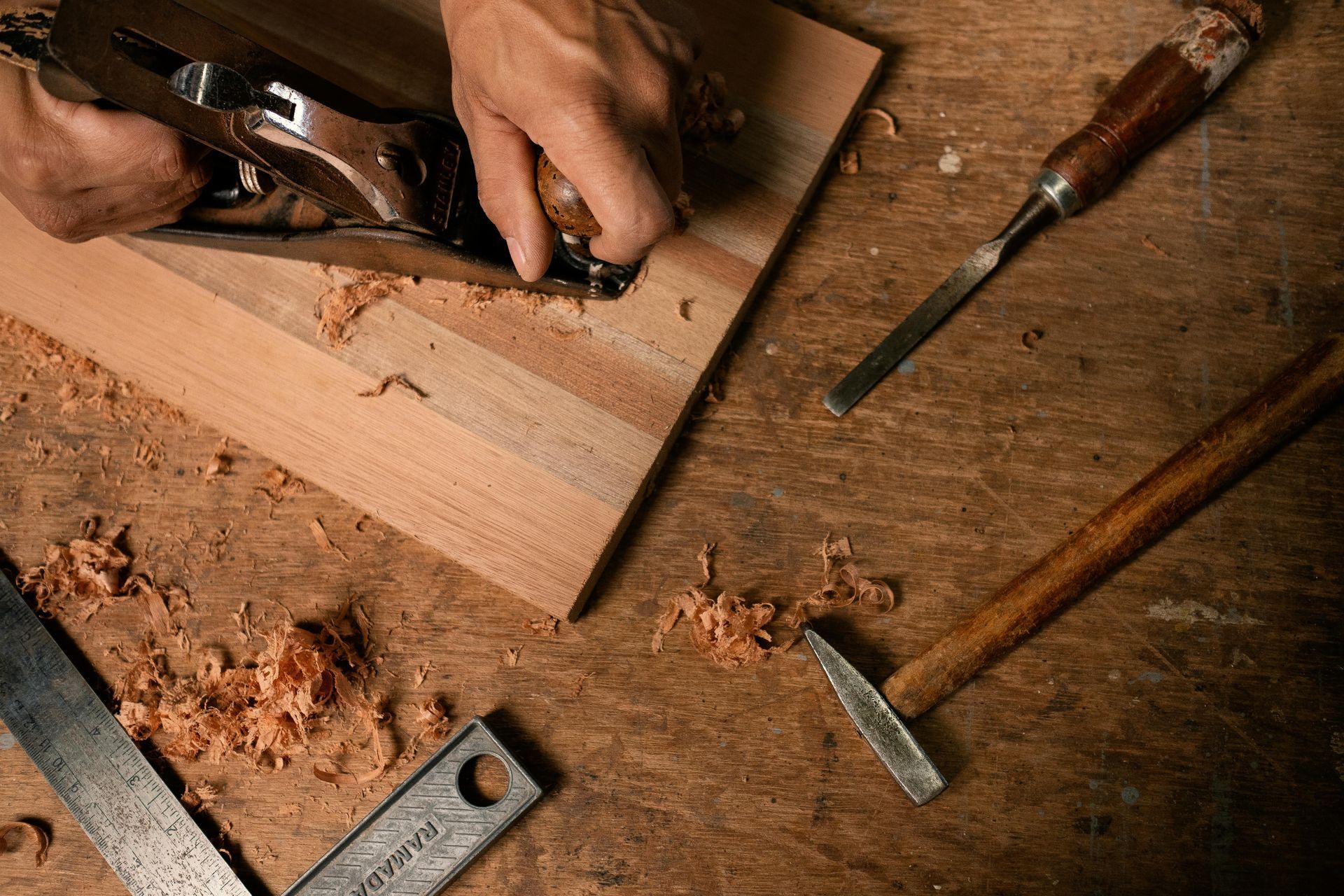
Two By Four Woodworking builds custom furniture and home features for clients in Manassas who need something specific that mass production can't deliver. You choose the dimensions, wood type, finish, and design details, and the build is executed to match those exact requirements. Each piece uses wood selected for its grain pattern, which means no two finished projects look identical even when built from the same plan.
This service involves working from your measurements, sketches, or reference images to create functional or decorative woodwork tailored to your space. The process draws on decades of construction experience, which means structural builds like built-in shelving or benches are approached with the same attention to load-bearing requirements as detailed furniture pieces like tables or cabinets. Whether you need a bookcase that fits an oddly shaped wall or a dining table sized for a specific room layout, the work addresses the gap between what's sold in retail and what actually fits your situation.
Request a design consultation to discuss your project requirements and wood options.
What Separates Custom Work from Store-Bought Pieces
The difference starts with material selection—each board is chosen based on grain consistency, color tone, and structural integrity for the specific use. You're not limited to pre-set sizes or finishes, which means a custom entertainment center can be built to exact ceiling height, a bench can match the width of your entryway down to the inch, or a desk can include drawer configurations designed around what you actually store. The wood species you select changes both the visual result and the durability, with harder woods like oak or maple suited for high-use surfaces and softer woods like pine offering easier workability for decorative elements.
Once the project is complete, you'll notice joinery that holds without visible hardware where appropriate, surfaces finished to your specified sheen level, and dimensions that align with your space without gaps or overhangs. Two By Four Woodworking handles projects that range from single furniture pieces to multiple coordinated items, and the result is woodwork that reflects the decisions you made during the planning phase rather than compromises made to fit a production line.
The service includes wood selection guidance, but it does not include installation for built-in projects unless arranged separately. Finishing options vary based on intended use—indoor furniture typically receives different treatment than pieces destined for covered outdoor areas. Delivery and pickup are available locally, and select smaller items can be packaged for shipping if the project scope allows.
What Clients Ask Before Starting Custom Projects
Custom woodworking projects involve choices about materials, dimensions, and finishes that affect both cost and timeline, so it helps to understand what drives those variables before planning begins.
How does wood grain affect the finished look?
Each species has distinct grain patterns—oak shows pronounced lines and flecks, walnut displays darker swirls and color variation, and maple offers a tighter, more uniform appearance. The grain becomes more visible with clear finishes and less pronounced with stains, but you can't control exactly how it will appear on a specific board until it's selected and cut.
What happens if my dimensions don't match standard lumber sizes?
Custom work accounts for non-standard dimensions by selecting wider boards, laminating narrower pieces, or adjusting joinery techniques. This adds labor time compared to projects that align with common material widths, but it's often the only way to achieve exact fit in older homes or uniquely configured spaces common in Northern Virginia properties with varied architectural styles.
When should I choose hardwood versus softwood?
Hardwoods like oak, maple, and cherry resist denting and wear better for tabletops, benches, and shelving that bears weight, while softwoods like pine work well for decorative trim, wall-mounted pieces, or items where appearance matters more than impact resistance. The choice also affects finishing—softwoods absorb stain unevenly without pre-treatment, while hardwoods take finish more predictably.
How do you determine what joinery method to use?
The joinery depends on the stresses the piece will face—mortise and tenon joints handle lateral force for chair and table legs, dovetails lock drawer corners against pull-out force, and biscuit joints align panels for glue-ups. Visible joinery like exposed dovetails adds decorative detail, while hidden joinery creates cleaner lines on modern designs.
What's included in a design consultation?
The consultation reviews your measurements, intended use, style preferences, and wood options. You'll discuss how the piece integrates with existing furniture or architecture, and you'll receive guidance on material costs and realistic timelines based on project complexity. This step identifies potential issues like load requirements or finish compatibility before work begins.
Two By Four Woodworking builds projects that solve specific problems or fill exact needs, and the consultation phase ensures the finished piece does what you need it to do. Submit your project details to start planning a custom build that matches your space and requirements.